The 2026 Guide to Non‑Surgical Facelifts: Top Techniques for a Natural Lift
What is the Most Effective Face Lift Without Surgery in 2026?
Top Non-Surgical Lifting Techniques for a Youthful Look, often in combination, to restore volume, tighten skin, and stimulate collagen production.
These treatments offer effective rejuvenation with less risk and minimal downtime compared to surgery. A comprehensive approach often involves combining several of these techniques to target different concerns, such as volume loss, skin laxity, and surface irregularities, for optimal results.
In 2026, the most effective non‑surgical face lift options blend technologies like ultrasound (Ultherapy), radiofrequency microneedling, and PDO thread lifts to deliver lifting, tightening, and contouring across the face and neck. These procedures are designed to mimic the effects of surgery without incisions, anesthesia, or extended recovery.
While every face is unique, combining treatments like Ultherapy skin tightening, RF microneedling lift, and targeted dermal filler lift often yields the most comprehensive and natural results, addressing both structural support and surface rejuvenation.
Table of Contents
1. How does Ultherapy Prime differ from traditional ultrasound treatments?
2. What are Liquid Threads, and do they actually provide a physical lift?
3. How do Dermal Fillers (Liquid Facelift) contribute to facial rejuvenation?
4. Can RF Microneedling actually melt facial fat if done incorrectly?
5. What is High‑Intensity Focused Electromagnetic (HIFEM) for Face and how does it help?
6. How does Laser Skin Resurfacing tighten skin and improve texture?
7. How can Botox Injections help with lifting and anti‑aging?
8. Why do most non‑surgical procedures have minimal downtime?
9. How are natural‑looking results achieved without surgery?
10. Why is Collagen Stimulation essential in non‑surgical facelifts?
11. Why are Exosomes being called the “magic bullet” of rejuvenation?
12. What is PDRN (Salmon DNA) and why is it trending on social media?
13. How have patient expectations shifted away from traditional surgery?
14. Why is the “Natural Lift” the biggest beauty trend of 2026?
15. Frequently Asked Questions (FAQs)
16. Conclusion
17. References
1. How Does Ultherapy Prime Differ from Traditional Ultrasound Treatments?
Ultherapy Prime represents the next evolution in ultrasound‑based skin tightening.
Unlike older ultrasound systems that focus only on superficial layers, Ultherapy Prime uses micro‑focused ultrasound energy to reach much deeper into the foundational tissue layers of the skin, including the SMAS layer targeted in surgical facelifts, without cutting or disrupting the skin’s surface.
This technology stimulates new collagen growth over time, which gradually lifts and tightens areas like the brow, neck, and jawline over two to three months. Results can last up to a year or more, depending on individual anatomy and maintenance.
Compared with devices like Sofwave (which target more superficial dermal layers), Ultherapy Prime’s ability to heat deeper tissues often leads to more pronounced lifting, especially for moderate sagging. It remains one of the gold standards for non‑surgical lifting in 2026.
2. What Are “Liquid Threads” and Do They Actually Provide a Physical Lift?
“Liquid Threads” refer to dissolvable, medical‑grade threads (often polydioxanone or PDO threads) that are inserted beneath the skin to lift sagging tissues and stimulate collagen production. These threads create an immediate mechanical lift while triggering a natural healing response, building structural collagen as they dissolve over weeks to months.
Unlike purely surface treatments, PDO thread lifts can physically reposition tissue, making them especially popular for areas like the jowls, cheeks, and brow where sagging is most noticeable.
Over time, as the threads encourage new collagen and elastin formation, the skin remains firmer and more lifted, even after the threads themselves are fully absorbed.
3. How Do Dermal Fillers (Liquid Facelift) Contribute to Facial Rejuvenation?
A liquid facelift uses strategic injections of dermal fillers, usually hyaluronic acid or biostimulatory substances like calcium hydroxyapatite, to restore lost facial volume. By replenishing structures such as the cheeks, temples, and jawline, these fillers produce an immediate lifting and contouring effect, softening wrinkles and enhancing facial definition.
This type of treatment is particularly effective for facial contouring non‑surgical goals, addressing volume loss without incisions. As injectable volume returns, the skin appears firmer and more youthful, while underlying support improves.
Additionally, many fillers provide long‑lasting benefits, indirectly supporting collagen production over time, especially biostimulator fillers, which rebuild underlying structure.
4. Can RF Microneedling Actually Melt Facial Fat if Done Incorrectly?
RF microneedling combines tiny needles with radiofrequency energy to deliver controlled heat deep into the dermis, stimulating collagen and elastin production and tightening sagging skin. Devices like Morpheus8 are popular because they improve texture, firmness, and overall skin quality.
While RF does not specifically “melt fat” in the face like body contouring equipment might, improper energy settings or technique could theoretically reduce superficial fat pads prematurely or unevenly, which might be perceived as fat reduction.
However, when performed correctly by a trained professional, RF microneedling primarily tightens the dermal layers and improves laxity rather than indiscriminately removing fat.
This modality is considered one of the leading treatments for tightening sagging skin and achieving an RF microneedling lift in 2026.
5. What is High-Intensity Focused Electromagnetic (HIFEM) for Face and How Does It Help?
High-Intensity Focused Electromagnetic (HIFEM) technology, originally developed for body sculpting, is now gaining popularity for facial rejuvenation.
This innovative treatment works by inducing thousands of involuntary muscle contractions, thereby strengthening and toning the underlying facial muscles. Over time, these muscle contractions firm the foundation of the face, creating a more lifted, youthful appearance, especially around the cheeks, brows, and jawline.
What makes HIFEM unique is that it targets muscle tone, a component often overlooked in traditional non-surgical facelifts. By strengthening facial muscles, this approach provides a more natural lift, complementing treatments that address the skin and fat layers. It’s like giving your face a gym session, without the sweat.
In 2026, HIFEM is often paired with other skin-tightening treatments such as HIFU or RF microneedling for comprehensive facial rejuvenation. It’s particularly effective for people experiencing age-related muscle laxity and those seeking subtle but visible lifting without injectables.
6. How Does Laser Skin Resurfacing Tighten Skin and Improve Texture?
Laser skin resurfacing uses concentrated beams of light to remove the outer layers of damaged skin, stimulating new skin growth and collagen production in the deeper layers. This dual action both tightens existing tissue and improves overall tone and texture, making it one of the most versatile tools for skin rejuvenation.
In 2026, fractional CO2 and erbium lasers continue to dominate laser skin rejuvenation, particularly for individuals with fine lines, wrinkles, sun damage, and uneven pigmentation. These lasers don’t just resurface; they revitalize the skin from the inside out.
After a short recovery period, patients often notice dramatic improvements in firmness and smoothness.
When combined with other collagen-boosting treatments like PRP microneedling rejuvenation or exosome facials, laser resurfacing enhances and accelerates results. It’s especially useful for treating crepey skin on the neck and décolletage, areas that often betray aging despite a youthful face.
7. How Can Botox Injections Help with Lifting and Anti-Aging?
Botox and other neuromodulators like Dysport or Xeomin are widely known for smoothing expression lines, but did you know they can also subtly lift?
By targeting muscles that pull the face downward, Botox can lift the brows, define the jawline, and soften the neck’s appearance. This is often called a “Nefertiti lift” when used strategically along the jaw and neck.
While it doesn’t add volume or tighten skin in the traditional sense, Botox helps slim the jawline, elevate drooping brows, and reduce neck bands. It’s the go-to treatment for dynamic wrinkles caused by repeated facial movements.
The results are smooth, relaxed features that look refreshed and youthful.
In 2026, Botox is also used more preventatively and subtly, coined “Baby Botox, to maintain muscle balance over time and prevent deeper lines from forming. When combined with treatments like dermal fillers or Ultherapy, Botox completes the non-surgical lift trifecta.
8. Why Do Most Non-Surgical Procedures Have Minimal Downtime?
One of the biggest appeals of non-surgical facelifts is the minimal downtime.
Most treatments don’t require anesthesia, incisions, or extensive healing periods. In fact, many procedures, such as Sofwave, RF microneedling, or liquid facelifts, allow patients to return to work or social activities the same day or within 24–48 hours.
This advantage makes them especially popular among busy professionals and those hesitant about surgery. There might be some redness, swelling, or pinpoint bruising depending on the treatment, but nothing that can’t be covered with makeup or healed quickly with proper post-care.
In 2026, new advancements such as exosome post-care serums and LED therapies are further speeding up recovery times. Patients can now undergo multiple skin treatments with minimal disruption to their daily lives, making these options not only effective but also practical.
9. How Are Natural-Looking Results Achieved Without Surgery?
Gone are the days of overfilled cheeks and frozen foreheads.
Today’s non-surgical facelift approach is all about natural-looking results. This is achieved by combining targeted, layer-by-layer treatments that restore the face’s youthful contours without exaggeration.
Professionals now focus on symmetry, proportion, and harmony. Strategic use of biostimulator fillers, subtle Botox placement, and careful skin tightening allows the face to look refreshed, not “done.” Natural movement and facial expression are preserved while sagging areas are gently lifted and restructured.
Customization is key. In 2026, facial mapping software and AI-assisted diagnostics help providers create individualized plans, making the “natural lift” a true science.
The result?
A face that looks like you, just 10 years younger.
10. Why Is Collagen Stimulation Essential in Non-Surgical Facelifts?
As we age, collagen production slows dramatically, leading to sagging, fine lines, and loss of elasticity. Non-surgical treatments that stimulate collagen offer long-term improvements by restoring this essential protein from within.
Technologies like HIFU, RF microneedling, Ultherapy, and laser resurfacing all target the dermis to kickstart collagen remodeling. Over time, this leads to firmer, thicker, and more resilient skin, without relying solely on external volume.
2026’s focus on regenerative aesthetics emphasizes treatments that work with your body rather than against it. Think of collagen stimulation as giving your skin a gym membership; it gets stronger over time, and the effects compound with consistency.
11. Why Are Exosomes Being Called the “Magic Bullet” of Rejuvenation?
Exosomes are microscopic messengers derived from stem cells that carry growth factors, proteins, and RNA to signal regeneration in the skin. When applied after procedures such as microneedling or laser resurfacing, they dramatically accelerate healing and enhance results.
They’re called the “magic bullet” because they don’t just support skin repair, they stimulate collagen, elastin, and hydration pathways at the cellular level. Many 2026 patients report faster recovery, reduced inflammation, and brighter, more resilient skin within days of an exosome facial.
As regenerative medicine continues to evolve, exosomes are poised to replace some traditional topicals and even rival PRP in post-procedural benefits. They’re also being combined with biostimulator fillers for even more potent anti-aging results.
12. What Is PDRN (Salmon DNA) and Why Is It Trending on Social Media?
PDRN, or Polydeoxyribonucleotide, is a DNA fragment often derived from salmon that has been making waves in the beauty world. This injectable solution stimulates tissue regeneration and repair, making it ideal for treating dull, aging, or damaged skin.
Social media has dubbed it the “DNA facial” due to its origin and rejuvenating effects. In 2026, it’s used post-laser, after RF microneedling, or on its own to promote brighter, tighter, and more youthful skin.
Many patients swear by its hydrating, anti-inflammatory, and collagen-stimulating benefits.
PDRN is gaining traction in the U.S. thanks to K-beauty influence and a growing trend toward bio-active skin therapy. It’s an excellent complement to traditional non-surgical lifting for those looking to repair skin quality from the inside out.
13. How Have Patient Expectations Shifted Away from Traditional Surgery?
In 2026, patients are seeking gradual, subtle, and natural enhancements rather than dramatic surgical changes. The focus has shifted from one-time transformations to routine maintenance, with people starting non-surgical treatments as early as their late 20s or early 30s.
Convenience, safety, and the rise of social media transparency have made non-invasive options more desirable. Instead of fearing aging, many now see aesthetic care as part of overall wellness, like skincare or fitness.
The stigma around procedures is fading, replaced by curiosity and confidence.
As treatments become more sophisticated and results more refined, surgery is seen as a last resort rather than the first choice. The “tweakment” era is here to stay, driven by patients who want control over their aging process without going under the knife.
14. Why Is the “Natural Lift” the Biggest Beauty Trend of 2026?
The “Natural Lift” is trending in 2026 because it aligns with what people really want: to look like themselves, only better. Instead of extreme makeovers, patients want to age slowly and gracefully, enhancing their features without altering their identity.
This approach prioritizes preservation over correction, using treatments such as PDO thread lifts, liquid face-lift fillers, and collagen-boosting energy devices that build over time. Think of it like layering skincare; it’s about consistency, not instant perfection.
With the rise of biohacking, holistic wellness, and personalization in beauty, the Natural Lift is more than just a look; it’s a lifestyle. It reflects a deeper shift toward authenticity, sustainability, and long-term skin health rather than just aesthetics.
15. Frequently Asked Questions FAQs) about Top Non-Surgical Lifting Techniques for a Youthful Look
Q1. How to look 10 years younger without surgery?
Concise Answer: You can look 10 years younger with collagen-boosting treatments, fillers, microneedling, and muscle relaxers used together.
Detailed Answer: Achieving a youthful look without going under the knife is all about strategy. By combining treatments like Ultherapy skin tightening, morpheus8 for jowls, liquid facelift fillers, and Botox jawline slimming, you can address sagging, volume loss, and wrinkles from multiple angles.
These treatments stimulate collagen, lift facial contours, and restore volume, leading to a more refreshed, younger appearance that evolves naturally over time. Pairing treatments ensures more noticeable and long-lasting results without surgery or downtime.
Q2. What is the best non-surgical skin tightening treatment for the face?
Concise Answer: Ultherapy and RF microneedling are considered the most effective non-surgical options for facial tightening.
Detailed Answer: Both Ultherapy and RF microneedling, like Morpheus8, are leading technologies for tightening facial skin. Ultherapy uses micro-focused ultrasound to target deep layers and stimulate collagen where facelifts usually go, while RF microneedling improves skin texture and firmness through heat and controlled trauma.
The choice between them depends on skin thickness, age, and goals. Ultherapy is excellent for lifting, while RF microneedling improves overall texture and elasticity.
Q3. What is the best non-surgical treatment for anti-aging?
Concise Answer: The best non-surgical anti-aging treatment combines skin tightening, volume restoration, and collagen stimulation.
Detailed Answer: In 2026, non-surgical facelifts that use multiple modalities, such as HIFU skin tightening, dermal filler lift, and biostimulator fillers, offer the most comprehensive anti-aging benefits. These address all aspects of aging: skin laxity, volume loss, and fine lines.
Regular maintenance with exosome facials or PRP microneedling rejuvenation also keeps skin youthful by enhancing regeneration and collagen.
Q4. Is Sofwave better for surface wrinkles or deep structural lifting?
Concise Answer: Sofwave is best for treating surface wrinkles and mild to moderate laxity.
Detailed Answer: Sofwave uses synchronous ultrasound technology to heat the mid-dermis and stimulate collagen production. It’s excellent for fine lines, nasolabial fold treatments, and crepey skin.
However, it doesn’t penetrate as deeply as Ultherapy, so it’s not ideal for structural lifting of jowls or deep tissue laxity. Sofwave shines in skin quality improvements and maintenance, but isn’t a substitute for deeper lifting modalities.
Q5. Why is Morpheus8 still the gold standard for jawline snatching?
Concise Answer: Morpheus8 combines deep RF energy with microneedling to effectively tighten and contour the jawline.
Detailed Answer: Morpheus8 penetrates deeper than most microneedling devices, reaching the subdermal fat layer. This allows it to tighten skin, reduce superficial fat, and sculpt areas like the jowls and neck with precision.
It’s especially effective for those dealing with mild to moderate sagging who want a non-invasive jawline snatch without fillers or surgery. The RF microneedling cost is offset by its versatility and long-lasting collagen-stimulating benefits.
Q6. How does HIFU technology target the SMAS layer without an incision?
Concise Answer: HIFU focuses ultrasound waves beneath the skin to reach the SMAS layer without damaging the surface.
Detailed Answer: High-Intensity Focused Ultrasound (HIFU) delivers precise heat at controlled depths, bypassing the outer skin and stimulating the superficial musculoaponeurotic system (SMAS), the layer a surgical facelift targets. It contracts tissues and triggers collagen production without cuts or downtime.
HIFU face-lift treatments offer noticeable lifting of the cheeks, brow, and jawline, especially when surgery isn’t desired.
Q7. How do biostimulators like Sculptra “rebuild” the face from within?
Concise Answer: Biostimulators trigger natural collagen growth to restore facial structure over time.
Detailed Answer: Unlike hyaluronic acid fillers that provide instant volume, Sculptra and Radiesse gradually stimulate the skin to produce collagen in response to the injected material. This leads to subtle, long-term dermal thickening and improved facial support.
The results take weeks to months to appear but are long-lasting. A biostimulator filler review shows they’re ideal for those seeking a natural restoration without the puffiness sometimes seen with traditional fillers.
Q8. How long do the results of a 2026 liquid facelift actually last?
Concise Answer:
A liquid facelift typically lasts 12 to 24 months, depending on the filler type and metabolism.
A liquid facelift typically lasts 12 to 24 months, depending on the filler type and metabolism.
Detailed Answer: Liquid face-lift results vary based on the type of filler used (e.g., Juvederm, Restylane, Radiesse, Sculptra), the areas treated, and your lifestyle. Hyaluronic acid fillers usually last 12 to 18 months, while biostimulators like Sculptra can last over 24 months.
Regular touch-ups and maintenance treatments help prolong results. It’s a popular choice for those wanting a lifted appearance without the permanence or risks of surgery.
Q9. How to treat “Ozempic Face” sagging without resorting to surgery?
Concise Answer:
Volume loss from Ozempic can be reversed with fillers, threads, and collagen-stimulating treatments.
Volume loss from Ozempic can be reversed with fillers, threads, and collagen-stimulating treatments.
Detailed Answer: The rapid fat loss from medications like Ozempic can leave the face looking hollow and saggy. To address the Ozempic face, providers use a combination of liquid threads, dermal fillers, PDO thread lift, and RF microneedling to restore lost volume and tighten skin.
Collagen stimulation via exosomes or PRP can also improve skin elasticity. This multi-layered approach creates a rejuvenated appearance without the need for surgery.
Q10. Is Radiesse or Sculptra better for long-term jawline definition?
Concise Answer: Radiesse offers immediate contouring; Sculptra builds gradual volume and collagen over time.
Detailed Answer: Radiesse is thicker and provides instant lift, making it ideal for sharp jawline definition. It also stimulates collagen but starts working right away.
Sculptra takes time to show results but offers a subtle, long-term build of structural support. Both are excellent for facial contouring, and they’re sometimes used together for layering: Radiesse for structure and Sculptra for regeneration.
Q11. What is the best non-surgical option for heavy, sagging jowls?
Concise Answer: Morpheus8, Ultherapy, and thread lifts are top choices for non-surgical lifting of sagging jowls.
Detailed Answer: For heavy jowls, a combination of skin tightening and lifting is key. Morpheus8 for jowls tightens underlying tissues, Ultherapy lifts the deep fascia, and PDO thread lifts provide an immediate repositioning effect.
These options can be used separately or in combination depending on skin thickness, severity, and patient goals. Over time, they help redefine the jawline without the need for surgical intervention.
Q12. How can you tighten a “turkey neck” non-invasively?
Concise Answer: Ultherapy, RF microneedling, Botox, and lasers can significantly tighten neck skin without surgery.
Detailed Answer: Non-surgical neck lifting is very possible in 2026. Ultherapy targets deep tissue layers to lift and firm; RF microneedling improves texture and tightness; Botox can reduce platysmal banding; and laser skin tightening improves crepiness.
For more stubborn sagging, PDO threads or biostimulators may be added. A tailored plan is necessary, as the neck often ages faster and requires a multi-pronged approach.
Q13. What are the most effective treatments for hooded eyes in 2026?
Concise Answer: Ultherapy, Botox brow lifts, and plasma skin tightening can non-surgically lift hooded eyes.
Detailed Answer: Non-surgical eyelid lifting in 2026 typically involves Ultherapy Prime or HIFU, which target the brow and upper lid area for a subtle lift. Botox can raise the brows by relaxing the muscles that pull them down.
For excess skin or crepey texture, plasma pen treatments and laser resurfacing can improve tightness. These combined techniques provide an eye-opening effect without blepharoplasty.
Q14. Can non-surgical techniques fix deep nasolabial folds?
Concise Answer: Yes, fillers, threads, and collagen-stimulating devices can soften deep nasolabial folds.
Detailed Answer: Deep nasolabial folds are often caused by mid-face volume loss. Liquid face lift fillers like Juvederm restore cheek volume and lift the fold.
PDO threads can pull the tissue upward, and collagen-boosting treatments like RF microneedling or exosome facials improve skin density. For some, biostimulators like Radiesse or Sculptra offer a more regenerative approach to gradually soften folds.
Q15. What does the future of non-invasive aesthetics look like for 2027?
Concise Answer: The future includes more regenerative, personalized, and technology-driven non-invasive aesthetic treatments.
Detailed Answer: By 2027, the aesthetic landscape is shifting toward biohacking, regenerative medicine, and AI-driven treatment plans. Expect greater use of exosomes, polynucleotides, and stem-cell-based therapies.
Devices will become smarter, offering real-time feedback and safer energy delivery. Patient goals will focus on prevention and skin health rather than correction.
This evolution will make non-surgical facelifts even more natural, effective, and accessible.
16. Conclusion: Top Non-Surgical Lifting Techniques for a Youthful Look
In a world where we crave authenticity, confidence, and control over our appearance, non-surgical facelifts have become more than just cosmetic procedures; they’re personal revolutions.
The science behind skin tightening treatments, collagen-boosting techniques, and facial contouring non-surgical options has evolved to meet the emotional needs of real people who want to look like themselves, only fresher, firmer, and more radiant.
We’re no longer chasing perfection. We’re embracing subtle transformations that lift not only the skin but also the spirit. Whether it’s the precision of Ultherapy skin tightening, the glow-up from exosome facial benefits, or the sculpting power of Morpheus8 for jowls, these technologies allow us to pause time, gracefully and on our own terms.
It’s not about looking different. It’s about feeling like your best self, empowered, uplifted, and ready to face the world with a glow that’s unmistakably yours.
As we step into the future, the biggest beauty trend of 2026 isn’t a trend at all.
It’s a mindset, a belief that aging can be beautiful, confidence can be cultivated, and the mirror can become your greatest ally.
With non-surgical face lift options more powerful and accessible than ever, you no longer have to choose between natural beauty and innovation.
You get both, and that’s the real lift.
We have covered everything about the Top Non-Surgical Lifting Techniques for a Youthful Look.
Top Non-Surgical Lifting Techniques for a Youthful Look
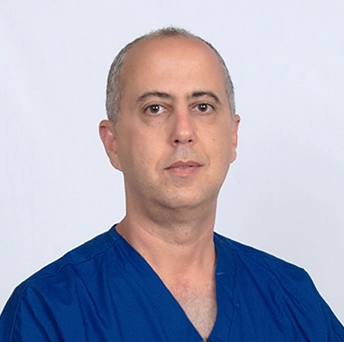
The 2026 Guide to Non‑Surgical Facelifts: Top Techniques for a Natural Lift with Dr. Dahabra. Why wait to unlock your beauty?
Call us now at (954) 595-2607 or book online. Your journey begins with just a click or a call.
Embrace the beauty, embrace innovation – Embrace You.
17. References
Plantation Med Spa, Florida
West Palm Beach Med Spa
Advances in Anti‑aging Procedures: A Comprehensive Review of Non‑Surgical and Minimally Invasive Approaches
Source: PubMed Central (PMC) — multidisciplinary dermatology review
Brief: This narrative review examines the growing evidence for non‑surgical facial rejuvenation techniques, including ultrasound (HIFU), radiofrequency (RF), lasers, microneedling, and injectables. It highlights how energy‑based devices improve skin laxity and texture by stimulating collagen, and it explains why patients increasingly choose these minimally invasive modalities over surgical facelifts.
Source: PubMed Central (PMC) — multidisciplinary dermatology review
Brief: This narrative review examines the growing evidence for non‑surgical facial rejuvenation techniques, including ultrasound (HIFU), radiofrequency (RF), lasers, microneedling, and injectables. It highlights how energy‑based devices improve skin laxity and texture by stimulating collagen, and it explains why patients increasingly choose these minimally invasive modalities over surgical facelifts.
Regenerative Skin Remodeling through Exosome‑Based Therapy Combined with Microneedling
Source: PubMed Central (PMC) — clinical case study on exosome use
Brief: This clinical case report shows that combining topical exosome therapy with superficial microneedling produced long‑term improvements in key signs of aging (texture, pore size, pigmentation) lasting up to 21 months without adverse effects, suggesting a regenerative mechanism rather than a temporary cosmetic change.
Source: PubMed Central (PMC) — clinical case study on exosome use
Brief: This clinical case report shows that combining topical exosome therapy with superficial microneedling produced long‑term improvements in key signs of aging (texture, pore size, pigmentation) lasting up to 21 months without adverse effects, suggesting a regenerative mechanism rather than a temporary cosmetic change.
Effectiveness and Safety of Definisse HA Fillers for Facial Rejuvenation in a Real‑World Study
Source: PubMed Central (PMC) — multicenter retrospective observational study
Brief: This observational study evaluates the efficacy and safety of a new generation of hyaluronic acid (HA) fillers, demonstrating that they improve facial contours and skin volume with favorable safety profiles. Such data help quantify real‑world outcomes for liquid facelift procedures.
Source: PubMed Central (PMC) — multicenter retrospective observational study
Brief: This observational study evaluates the efficacy and safety of a new generation of hyaluronic acid (HA) fillers, demonstrating that they improve facial contours and skin volume with favorable safety profiles. Such data help quantify real‑world outcomes for liquid facelift procedures.
Exosomes for Skin Treatment: Therapeutic and Cosmetic Insights
Source: Elsevier / ScienceDirect review article
Brief: This comprehensive review explores how exosomes, nanosized extracellular vesicles, influence skin biology by promoting cell communication, regeneration, and microenvironment modulation, highlighting their potential as future therapies in anti‑aging dermatology.
Source: Elsevier / ScienceDirect review article
Brief: This comprehensive review explores how exosomes, nanosized extracellular vesicles, influence skin biology by promoting cell communication, regeneration, and microenvironment modulation, highlighting their potential as future therapies in anti‑aging dermatology.
Exosomes: Revolutionising Aesthetic and Cosmetic Dermatology
Source: Sage Journals peer‑review
Brief: This article reviews mechanistic evidence that exosomes can enhance aesthetic outcomes by inhibiting melanogenesis and promoting collagen, with broad applications in skin regeneration. It discusses the current state and future prospects of exosome therapies in cosmetic dermatology.
Source: Sage Journals peer‑review
Brief: This article reviews mechanistic evidence that exosomes can enhance aesthetic outcomes by inhibiting melanogenesis and promoting collagen, with broad applications in skin regeneration. It discusses the current state and future prospects of exosome therapies in cosmetic dermatology.
Unveiling Exosomes in Combating Skin Aging: Mechanisms and Challenges
Source: SpringerLink — regenerative medicine review
Brief: This paper provides a detailed exploration of how exosomes derived from mesenchymal and adipose stem cells contribute to skin cell proliferation, collagen synthesis, and reduced oxidative stress, illuminating their anti‑aging potential and therapeutic challenges.
Source: SpringerLink — regenerative medicine review
Brief: This paper provides a detailed exploration of how exosomes derived from mesenchymal and adipose stem cells contribute to skin cell proliferation, collagen synthesis, and reduced oxidative stress, illuminating their anti‑aging potential and therapeutic challenges.
Mesenchymal Stem Cell‑Derived Exosomes for Skin Rejuvenation
Source: BioMedPress / BMRAT
Brief: Reviews the therapeutic promise of MSC‑derived exosomes for skin rejuvenation, including enhanced collagen synthesis and immunomodulation, offering insights into next‑generation non‑surgical treatments for aging skin; includes molecular mechanisms and potential applications.
Source: BioMedPress / BMRAT
Brief: Reviews the therapeutic promise of MSC‑derived exosomes for skin rejuvenation, including enhanced collagen synthesis and immunomodulation, offering insights into next‑generation non‑surgical treatments for aging skin; includes molecular mechanisms and potential applications.
Efficacy and Safety of Radiofrequency and Focused Ultrasound for Skin Tightening
Source: PubMed Central (PMC) — B Zhao et al.
Brief: This article evaluates radiofrequency (RF) and focused ultrasound technologies, explaining how they safely stimulate collagen production in the deeper skin layers to tighten lax skin, key evidence for RF microneedling and HIFU in non‑surgical lifting.
Source: PubMed Central (PMC) — B Zhao et al.
Brief: This article evaluates radiofrequency (RF) and focused ultrasound technologies, explaining how they safely stimulate collagen production in the deeper skin layers to tighten lax skin, key evidence for RF microneedling and HIFU in non‑surgical lifting.
Radiofrequency Facial Rejuvenation: Evidence‑Based Effects on Skin Laxity and Collagen Synthesis
Source: PubMed Central (PMC) — El‑Domyati et al.
Brief: This clinical research article confirms that monopolar RF is effective for tightening and rejuvenating photoaged skin with minimal downtime, showing enhanced collagen synthesis and skin contouring effects, providing foundational evidence for RF‑based lifts.
Source: PubMed Central (PMC) — El‑Domyati et al.
Brief: This clinical research article confirms that monopolar RF is effective for tightening and rejuvenating photoaged skin with minimal downtime, showing enhanced collagen synthesis and skin contouring effects, providing foundational evidence for RF‑based lifts.
High‑Intensity Focused Ultrasound (HIFU) for Facial Wrinkles and Skin Laxity
Source: PubMed Central (PMC) — Park et al.
Brief: HIFU non‑invasively treats facial wrinkles and skin laxity, showing clinical improvement in the jawline, cheek, and perioral areas, with important evidence supporting HIFU’s use in non‑surgical lifting protocols.
Source: PubMed Central (PMC) — Park et al.
Brief: HIFU non‑invasively treats facial wrinkles and skin laxity, showing clinical improvement in the jawline, cheek, and perioral areas, with important evidence supporting HIFU’s use in non‑surgical lifting protocols.